
![?php echo $this->grid['title_'.$this->lang()]; ?>](/public/images/0/xmas2025_.png)
The chemistry of Christmas is a fascinating interplay of volatile organic compounds, thermal reactions, and molecular structures that define our sensory experience of the holiday season.
1. The Aroma of the Tree: Terpenes
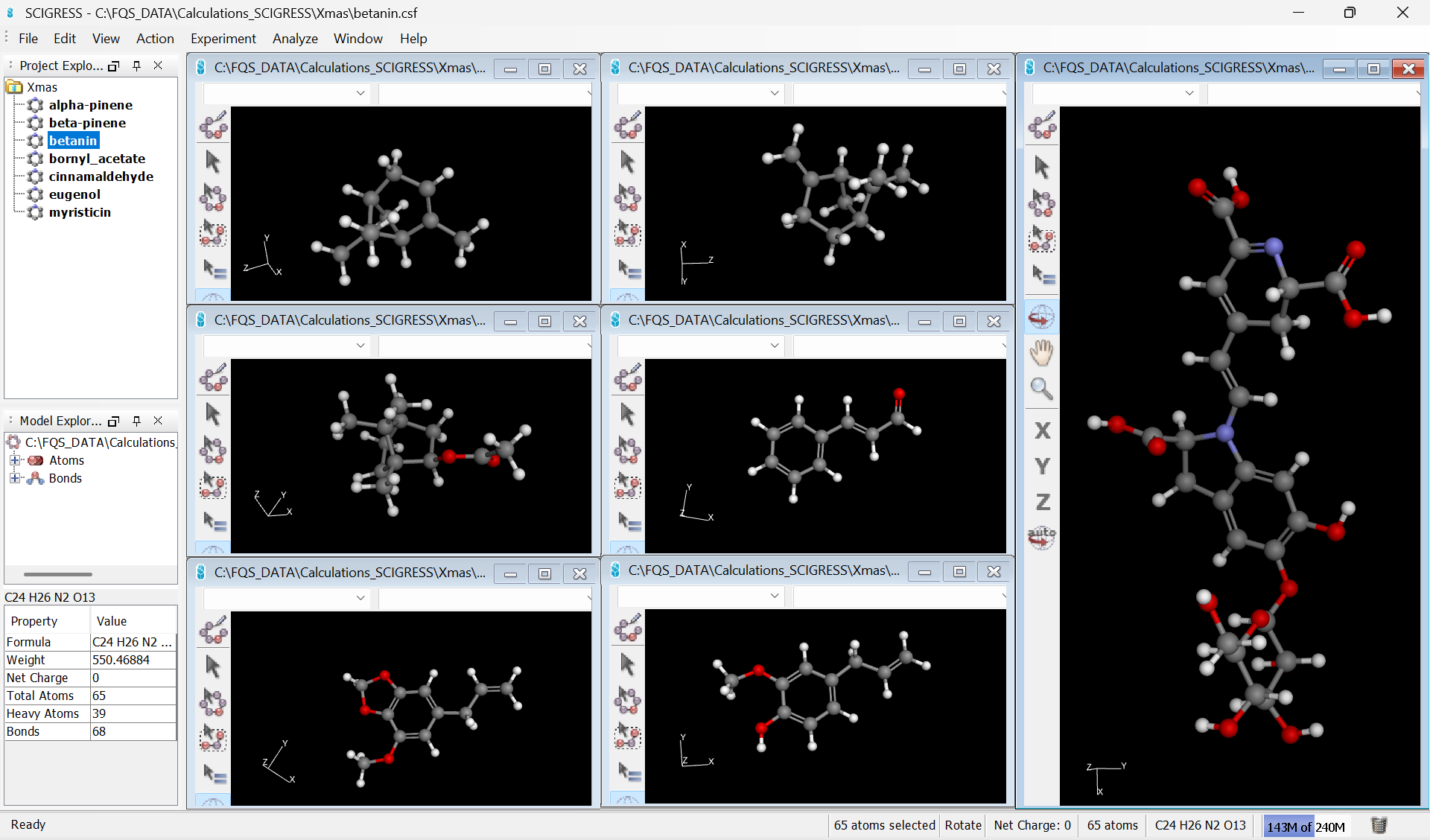
The nostalgic scent of coniferous trees (spruces, firs, and pines) is primarily driven by terpenes. The most prominent are α-pinene and β-pinene, which are volatile hydrocarbons found in the tree's resin. Another key contributor is bornyl acetate, often referred to as the "heart of the pine scent," which provides the specific crisp, forest-like ester aroma.
2. The Spice Profile: Phenols and Aldehydes
The signature "warmth" of holiday spices comes from specific bioactive molecules:
- Cinnamon: The primary component is cinnamaldehyde. This essential oil carries the characteristic spicy-sweet scent and possesses antimicrobial properties.
- Cloves: These contain high concentrations of eugenol, a phenolic compound. Eugenol is responsible for the pungent, woody aroma and is also known for its mild anesthetic qualities.
- Nutmeg: The distinct flavor is attributed to myristicin, a natural organic compound that acts as a localized insecticide in the plant but provides the nutty, earthy notes in cuisine.
3. The Maillard Reaction: Culinary Transformations
The golden-brown crust of a roast or the rich flavor of gingerbread is the result of the Maillard reaction. This chemical reaction occurs between amino acids and reducing sugars when heated. It produces a complex mixture of molecules, including melanoidins (responsible for the brown color) and various furans and pyrazines that create the savory, toasted aromas essential to holiday cooking.
4. Chemistry of the Table
- Red Beetroot Soup (Barszcz): The deep crimson color is derived from betalains (specifically betanin). These pigments are pH-sensitive; adding an acid, such as lemon juice or vinegar, stabilizes the molecule into a vibrant ruby red, while a basic environment would turn the soup a dull purple or brown.
- The "Earthy" Note: The distinct smell of freshwater fish (like carp) is often caused by geosmin, a bicyclic alcohol produced by bacteria. Humans are exceptionally sensitive to it, being able to detect it at concentrations as low as 5 parts per trillion.
From a scientific perspective, Christmas is not just a cultural event, but a sophisticated display of organic chemistry and sensory science, where molecular interactions evoke deep emotional and physiological responses.